“Argh, I have to sort out my house these holidays!” one of my friends sighed.
My heart jumped with excitement at the thought. Having a good declutter and organise is one of my favourite things to do and after another big school year the house is definitely in need of a good refresh and reset!
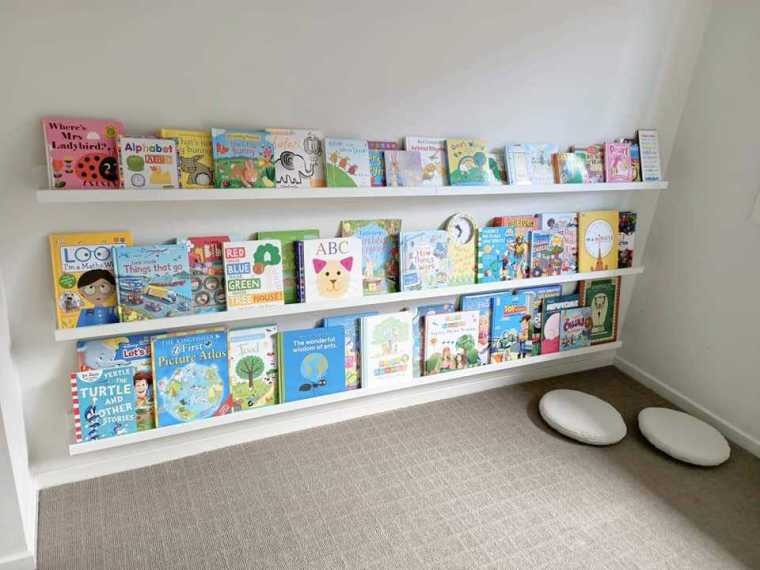
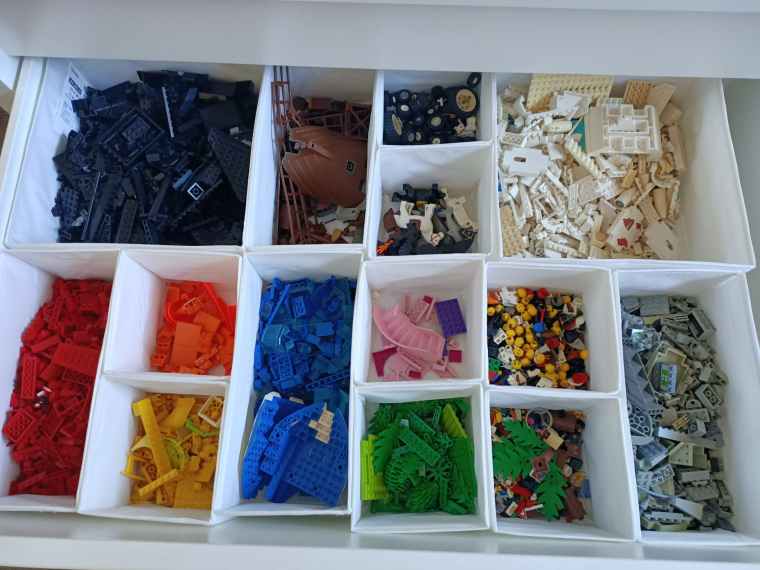
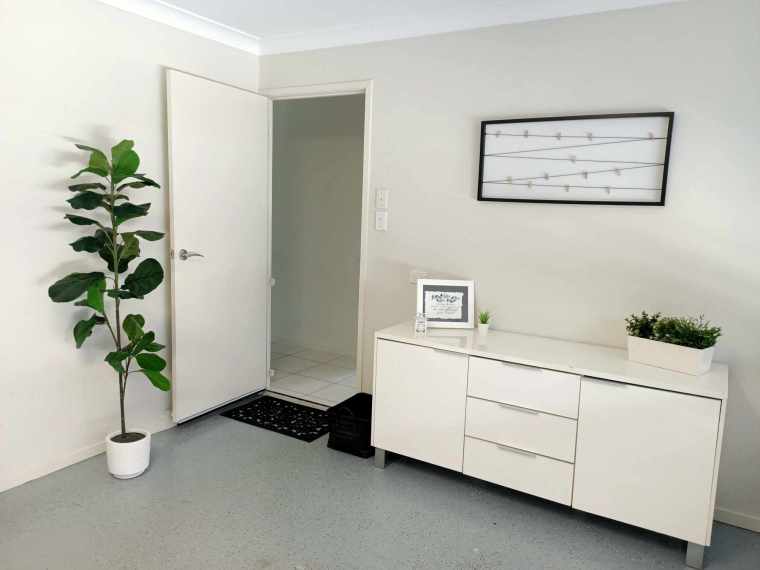
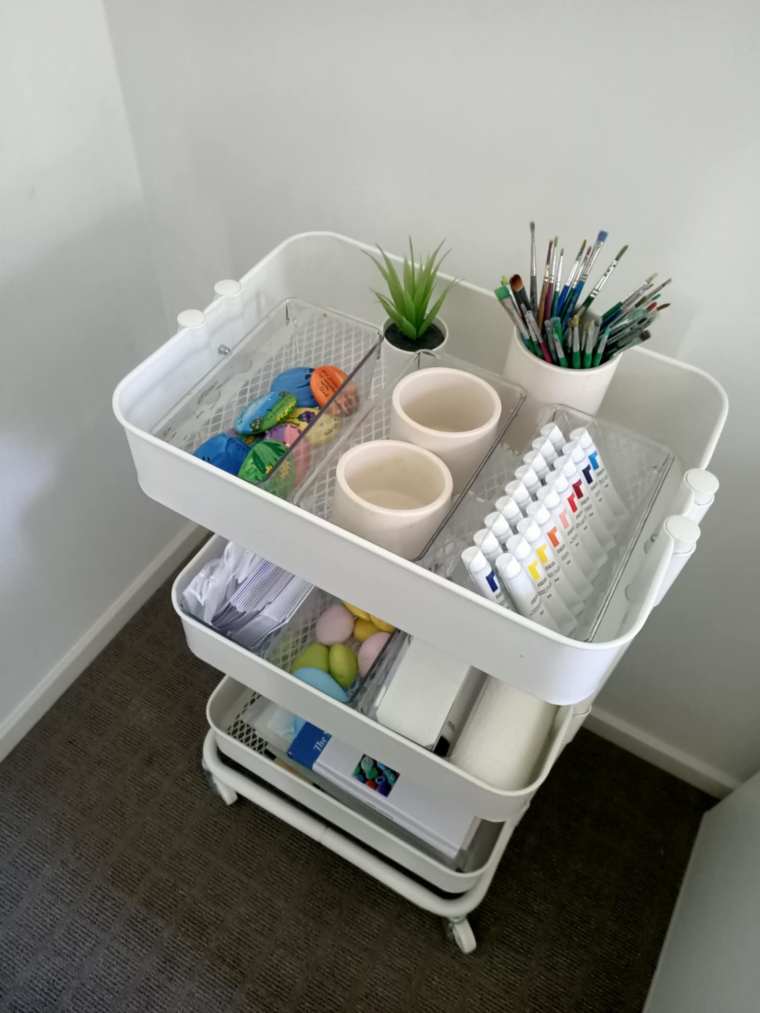
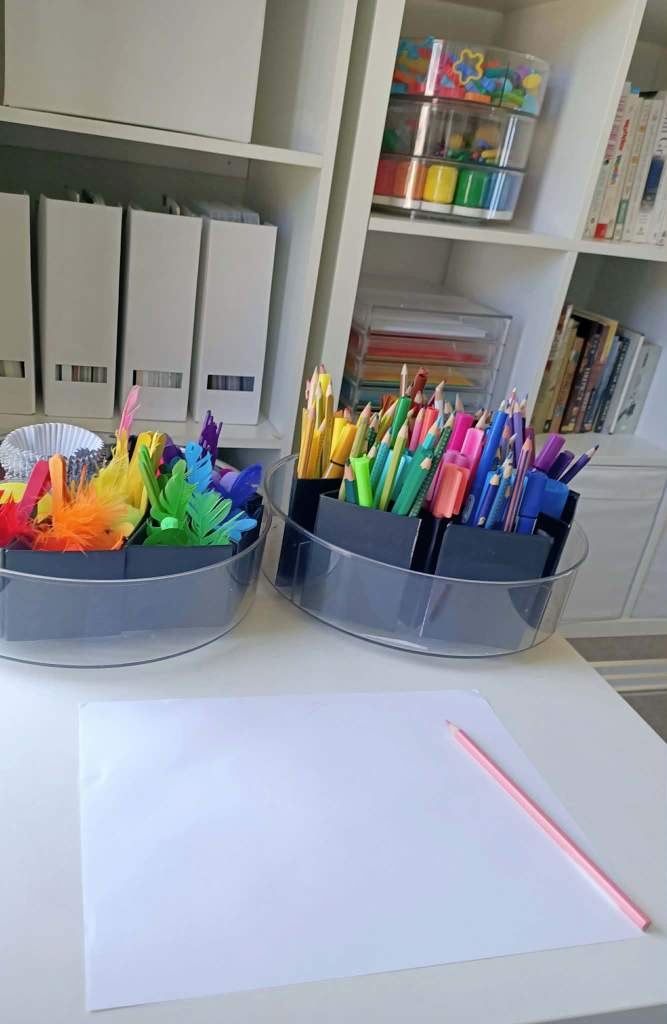
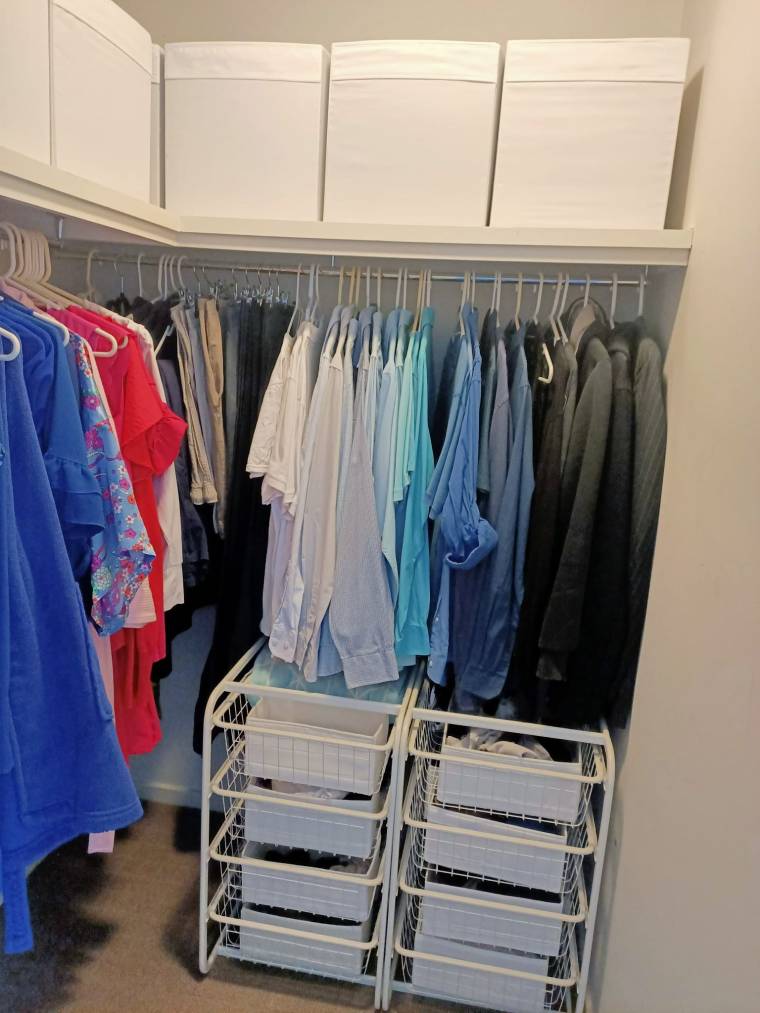
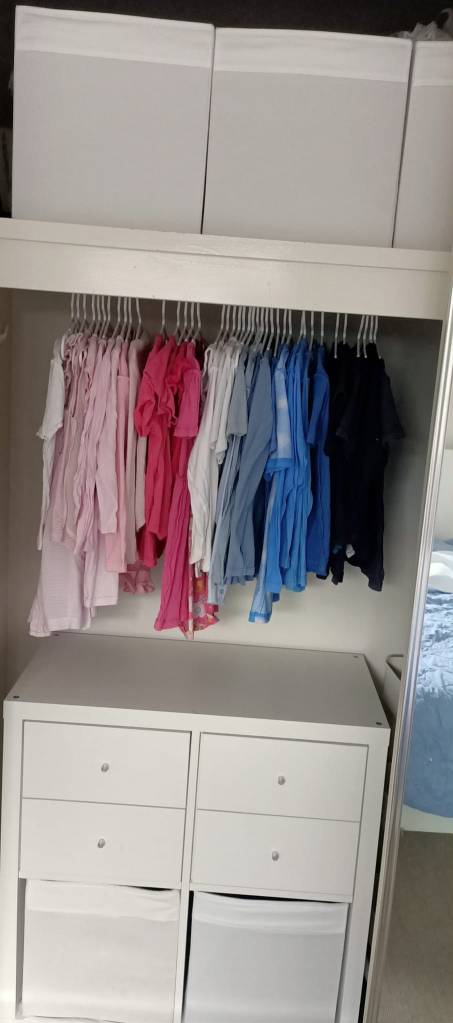
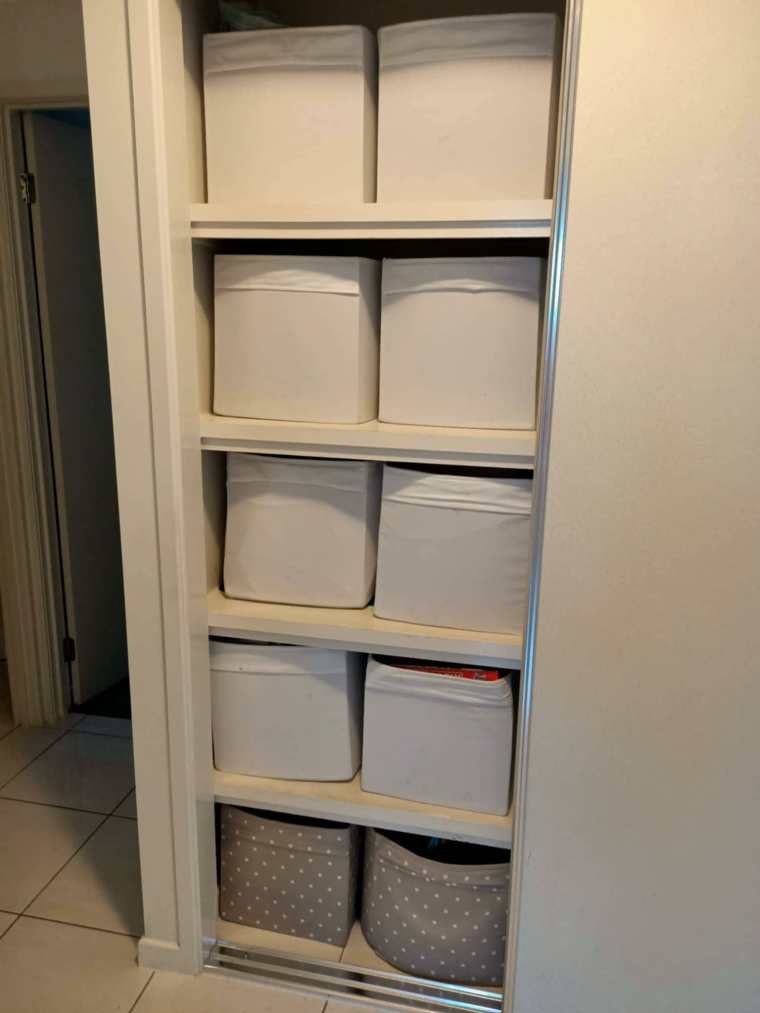
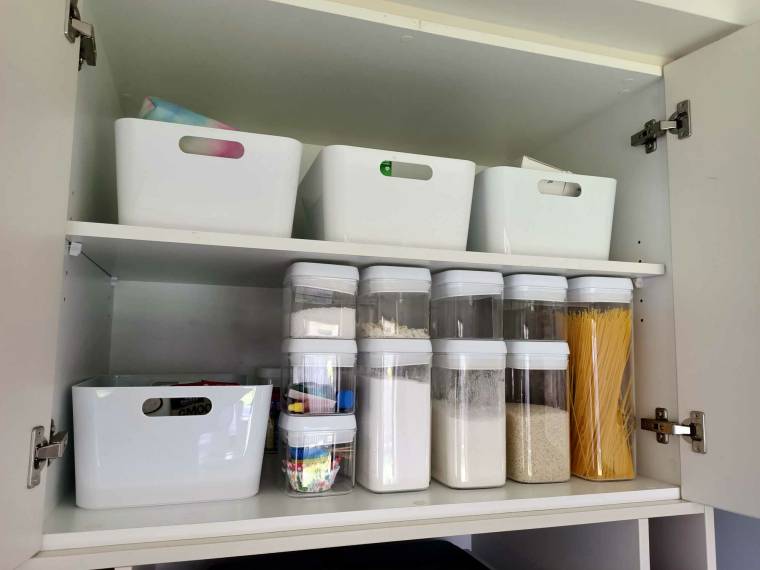
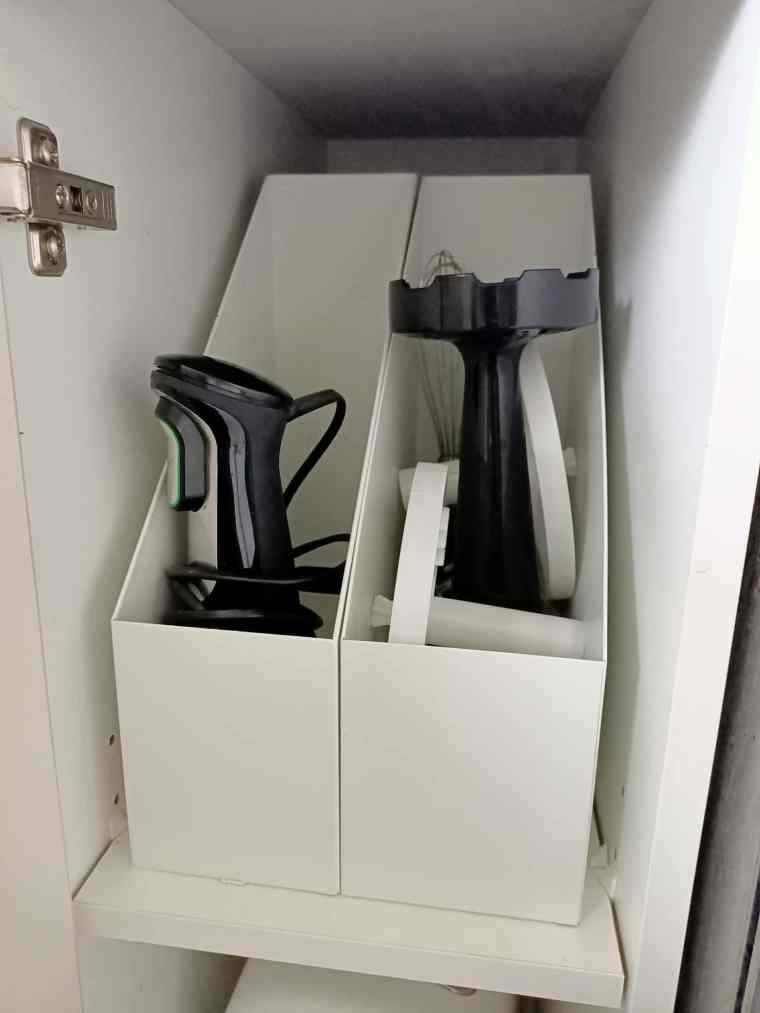
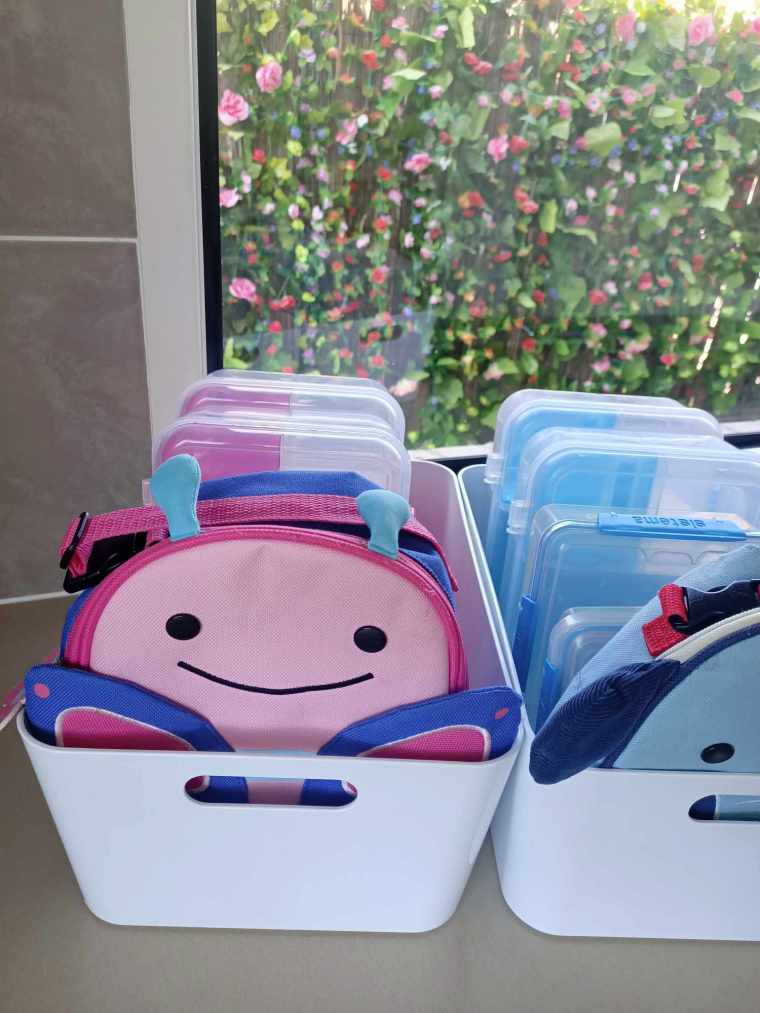
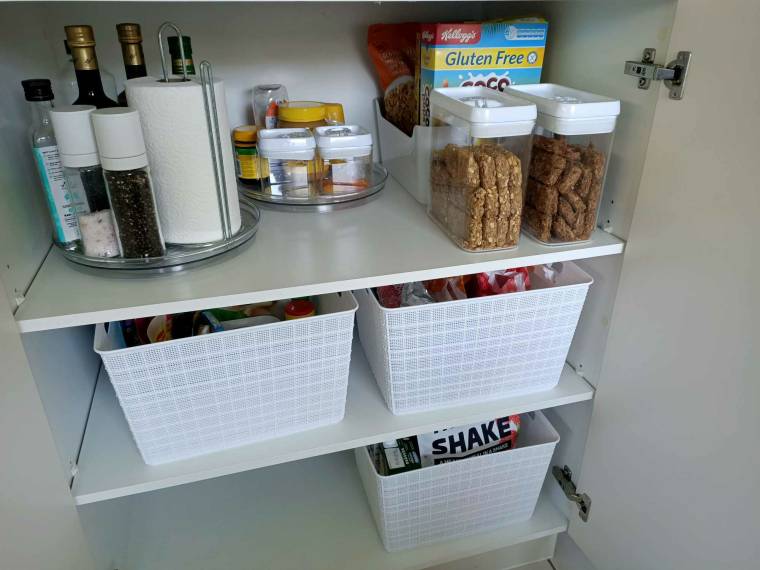
After chatting to my friend I preceded to send her pictures of ways I’ve organised different areas of my home over the last few years, then I thought I might share them here in case anyone else would like some ideas. Full disclosure – it doesn’t always look like this but love the order when it does!
More info on my game changing ‘House Folder’ coming soon also!
(previous version posted on myositis site as ‘My Top 10 Practical Tips for Living the Myositis Life’)
Growing up with myositis, my life has meant constantly adapting to the changes myositis and other chronic conditions have brought over the past 25+ years. If I were to narrow it down, I believe there are two main things that have helped me keep going.
1. Finding meaning and purpose in each season of my life.
2. Organising as much as I can in my life, to manage the unpredictability of living with chronic illnesses and dynamic disability.
We are all at different stages of our journey living with myositis or other chronic illnesses and can learn so much from each other, so I’d love to hear your best tips too. Here are a few of mine to get us started…
1. PRIORITISE REST – QUALITY OVER QUANTITY
The most helpful thing I did early on was start prioritising rest. For me, I had to learn to see it as ‘quality over quantity’, by making the most of things in small increments and pacing myself, rather than overdoing it and being out of action for days, weeks or even months afterwards.
One way I did this was by splitting my day in two, by implementing a non-negotiable afternoon nap every day that I schedule my day around no matter what. These days it is usually 12-2pm or 1-3pm and like many others with myositis or other chronic conditions, I also rest frequently throughout the day, sometimes requiring up to four naps a day. I also try to maximise when I have the most energy for errands or appointments.
As much as I miss things I used to enjoy, I try to cut any unnecessary activities that deplete my energy and focus on the things that I can do more easily (less active activities, journaling, craft, art, reading, writing, piano, games).
2. FINDING THE SHORTCUTS
I try to have a place for everything in my home so it is easier to maintain, as well as finding the easiest way possible to do things. I sit down to get ready in the mornings and lean my elbow to blow dry my hair, do online shopping, kneel or sit down while I prepare food, cook oven meals, use a beach trolley to transport things around the house instead of carrying things and using a clothes rack to hang light weight clothes, often sitting down to do this. I also get my family involved in day to day running of the household, so it’s more of a team effort. I’m keen for any shortcuts that make living life with myositis easier!
3. WEEKLY GUIDE
‘Guide’ being the keyword here, meaning it’s flexible. Breaking my week into smaller, more achievable goals I’d like to or need to achieve, contribute to a larger goal and a feeling of accomplishment at the end of the week. It gives me variety in my days and is much more sustainable for me in the long run. If I don’t feel up to doing something one day, I try again another day. This is my guide –
MEAL PREP MONDAY – Clean out fridge. Have groceries delivered. Cut up veges for the week.
TIDY UP TUESDAY – Do a little clean if I’m up to it and tidy up (my husband usually does the mopping for me). I also have little daily tasks I do every day to maintain the house, like stacking the dishwasher and a load of washing.
WRITING WEDNESDAY – Wednesdays I try to do a little work on my writing.
THOUGHTFUL THURSDAY – Intentionally do something nice for someone else – spend time with someone, make a phone call, send a care package, card or gift, or maybe send a message to let someone know I’m thinking of them.
FUN FRIDAY – Do a fun activity at some stage this day – perhaps some painting or craft with my kids or watch a movie together.
SLEEP/SOCIAL SATURDAY – one of my favourite days!
SELF-CARE / SOUL-CARE SUNDAY – Listen to podcasts/Church online, spend time with family, read, paint, watch movies and sleep some more!
Feel free to use my ideas for your own weekly guide or have a go making your own.
4. MEAL PREP / MEAL PLANNING / SHOPPING
One thing that’s helped me a lot is incorporating ‘Meal Prep Monday’ into my week. This way I know I will have healthy food ready to cook through the week.
Meal Prep Monday for me is sitting or kneeling on a chair while I chop up vegetables or fruit for a few days, then put in glass containers in the fridge. Sometimes I do a few at a time throughout the day so it’s not as tiring. It’s great having food for lunches, smoothies and at dinner when I’m too fatigued and sore to stand and cook. When late afternoon comes, it is as easy as putting some vegetables on a tray with some meat on a separate tray or dish, such as salmon, fish or chicken and cook in the oven. I often cook extra for other nights or some extra chicken for salads for lunch. My husband cooks on the weekends and has a different repertoire of food, so we still have the variety in our diets.
I do all of my grocery shopping online. I created a master grocery shopping list that’s in my house folder and I have also laminated and stuck inside the pantry cupboard. It’s as easy as ticking what I need with a whiteboard marker each week. I have written up a list of all the meals I know, including an ‘Easy’ section, so it takes all the thought out of it.
5. HOUSE MANAGEMENT AND MEDICAL FOLDERS
One thing that has helped with the overwhelm was creating two folders, a house folder (for anything house or family related) and a medical folder. They contain:
House Folder
Anything house and family related – more info on mine at a later date!
Medical Folder
Medical Information Document (more info on this below)
‘In Case of Emergency’ information and numbers
Official info sheets about my medical conditions
Scripts and check list
Recent relevant results (the rest get filed)
Pathology forms
Questions I would like to ask at my next appointments
Specialist Letters
6. MEDICAL INFO DOCUMENT
There have been a few times when I’ve ended up in Emergency with complications and I haven’t been prepared. The last thing I feel like doing, as well as explaining my long and complex medical history, is trying to remember what medications and doses I’m on, spelling out names or looking up phone numbers of my emergency contacts or Dr’s.
For times such as these I created a ‘Medical Info’ document or a ‘Med Cheat Sheet’ as I like to call it. It’s also been helpful to give a copy to any Specialist or Dr I’m seeing so they have all the up-to-date information.
It contains:
My personal details
Medical conditions
Allergies/intolerances
Medications chart with dosages and what times of the day I take them (including any vitamins or supplements)
Details about specific medical situations
Specialist and Dr contact details
Emergency contacts
I keep a copy on my phone, wallet, medical folder and in my medication bag as well as a copy for each of my emergency contacts.
Sometimes there are official print outs from organisations or commnication documents from your local health area, so I recommend looking into what’s available in terms of this in your own area as it’s always good to find helpful resources.
7. MEDICATION ORGANISATION
I have created a medication bag out of a couple of nice cosmetic bags with daily medications, plus a couple of extra important medications, vomit bag and medical information. I can grab it in a hurry if I need to. I often set reminders on my phone throughout the day so I remember to take medications on time as on four-hourly medication round the clock, especially my 2:30am alarm.
Each week I organise my medications, some into separate medication containers and have a laminated list of each of the six doses of the day and what I take in each dose so I don’t have to think about it. I write on the top of the medication bottles with permanent marker in shorthand what each bottle contains and how many a day I take to take all the thought out of it. I even draw little pictures sometimes with a sun or moon for morning or evening – just to make it all a little more fun. I also have a master list I’ve laminated to let me know if I need to order anything (usually well in advance).
To make things easier in case of emergency, I now have a grab and go medication tub clearly labelled ‘TAKE TO HOSPITAL’ with essential medications and it also contains any important paperwork (med info sheet, specialist letters, adrenal crisis info).
8. TIREDNESS OR MOOD BOOSTERS
I find listening to music a great distraction from the fatigue. As soon as I wake up in the morning, I put music on. I usually wear bright colours (royal blue, hot pink) as find that lifts my mood and I’ve created a folder on my phone of quotes and photos that encourage me, as well as inspiring and often funny chronic illness ones to have a bit of a laugh and most of all remind me, I’m not alone in it. I’m also part of a number of organisations and online support groups with others with conditions I have, so it has been great talking to others who can relate from here and all around the world.
9. EDUCATION AND WORK
I’m not going to lie, for me this has probably been the hardest and most frustrating part of living with myositis, especially being diagnosed so young. It’s been difficult accepting that my body with myositis has very different capacity than I would have had if I were healthy but I’ve had to learn to adapt as the years have passed.
I’ve experimented over the years as to how much I can manage and what is sustainable for me (with much trial and error). I attended high school part-time when I could. One arrangement when I was able to manage working part-time, was splitting my hours over three days (Mon, Wed, Fri) and working a few hours per day. I would nap for a few hours when I got home each work day and slept and rested the majority of the days off in between. For conferences, I spoke with my employer and scheduled time to leave for an afternoon nap and caught up on what I missed when I rejoined the group later in the afternoon. I think one of the most important things for me was finding something I found meaningful and that I was passionate about, so that it was worth the energy it cost me.
During other seasons of my life when I have been unable to work, I have found meaning and purpose in other things, such as art, Church groups and volunteering for various groups and organisations, one of my favourite roles was ward visiting and writing for an organisation who help children in hospital. These interests gave me the flexibility to be as involved as much or as little as I felt up to at the time, developed new skills, helped me to think of others and it gave me something to look forward to each week.
10. GOAL SETTING
A couple of years ago I stopped making so many achievement-based goals. Of course, I still have one or two long-term goals I would like to achieve in my lifetime but in the short term, but the past few years I’ve kept them simple by choosing some areas of my character I would like to grow in, with one main focus for each year.
A couple of years ago my goal was ‘Strength’. I had a big year ahead health wise and I needed all the strength I could get, not just physical strength but internal strength. So with this in mind I thought about ways I could work on being a stronger person on the inside.
A few ways I did this:
– Reflected regularly on what I’d made it through already.
– Focused on taking life one day at a time.
– Quotes, scripture and books – created an album on my phone of inspiring, encouraging quotes and scripture about strength and find books to read that relate.
– Music and podcasts – Found uplifting songs and podcasts about strength to encourage me.
– Support – Regularly checked in with my close family and friends, my medical and support team and committed to monthly peer support with others with same condition as me.
I have certainly learnt a lot over the years about adapting to life with chronic illness and one thing I know is there is always something new to learn and try as things are constantly changing. I would love to hear your best tips on living with chronic illness too!
“Do you remember me when I was a baby!?” my son used to ask me at three years old. “Of course!” I’d reply, though at the time I didn’t have anything tangible to show him.
Organising my children’s baby photos was a job that was weighing heavily on my mind. I felt so overwhelmed at even the thought of it and the special memories and photos were continuing to accumulate. I had to find an easy solution – and fast!
I wanted a way in which my children would enjoy looking through the photos, as well as a place where I could record special memories and details which I knew I’d never remember in years to come.
Then I had an idea – a poem photobook!
The idea came from a beautiful poem my mother-in-law wrote my husband and I for our wedding day of our journey up until that point, which in our newly married days I had put together along with photos in a photobook. That got me thinking about similar poems I had written for my Mum and Nana the years before, as well as one poem in particular that my Nana, a keen writer herself, had written about her many grandchildren and our unique qualities.
What a great idea – I could do the same for my own children as a way of capturing and recording the memories in a meaningful and fun way!
So, the poem photobooks began! They contain all of the special details about my children’s lives – their birth story, newborn days and every stage thereafter, their interests, personalities and funny phrases they have said. I’ve included photos, their artwork, awards, handwriting samples and snippets of funny stories they’ve written.
But you might be thinking, how on earth do I remember everything for the poems? Well, the truth is I don’t. To keep track and up to date, throughout each year I add any details to an email to myself and once a year I consolidate it all into a long rhyming poem and gift it to the kids on their birthday.
I have found writing the poems has really helped me appreciate my children’s unique qualities and personalities, helps me appreciate the little moments and reflect on how much they have learnt, grown and changed throughout the year. It’s great having a snippet of their entire lives captured in one little book.
I was quite behind on the photo side of things which felt very overwhelming but knowing how important it was, over a few months I slowly chipped away at the 19,000 photos on my phone for their updated editions. It’s more of a chapter book now with each book already containing around 100 pages each and they are only 7 and 8 years old! The latest editions are super cute at 15×15 size which I just love.
I have also created a larger sized family poem photobook for my husband of our family memories together (which is next to update!) and a couple of years ago I put one together for my parents and siblings of my own childhood, containing some classic 90s family photos and included all of the funny family stories that have been repeated throughout the years.
It’s exciting to think of my children’s 18th and 21st birthdays when all these little memories and funny stories of their childhood are recorded for them to look through, which I’m sure will come around faster than I can imagine. I’m already realising how quickly they change and develop and that cute phrase I felt like they were saying three months ago, was actually three years ago! How!?
It’s a great feeling having the latest editions up to date and I look forward to seeing what are in the future chapters. Now if I’m laughing at something the kids have said or done, they’ll smirk and say, “Well, I guess THAT’S going in my poem then!?” Yes, yes it is!
Welcome to Organisation Mimspiration! Your place for all things organisation, faith, family life, chronic illness and creativity!
I’ve had this blog on my heart for a really long time, but the events of this year gave me the final push to actually bring it into fruition which is all very exciting (and slightly terrifying all at the same time!)
I hope you’ll find a little mimspiration, find some things of value here and I’m looking forward to learning from you too!





 mimspiration.com